
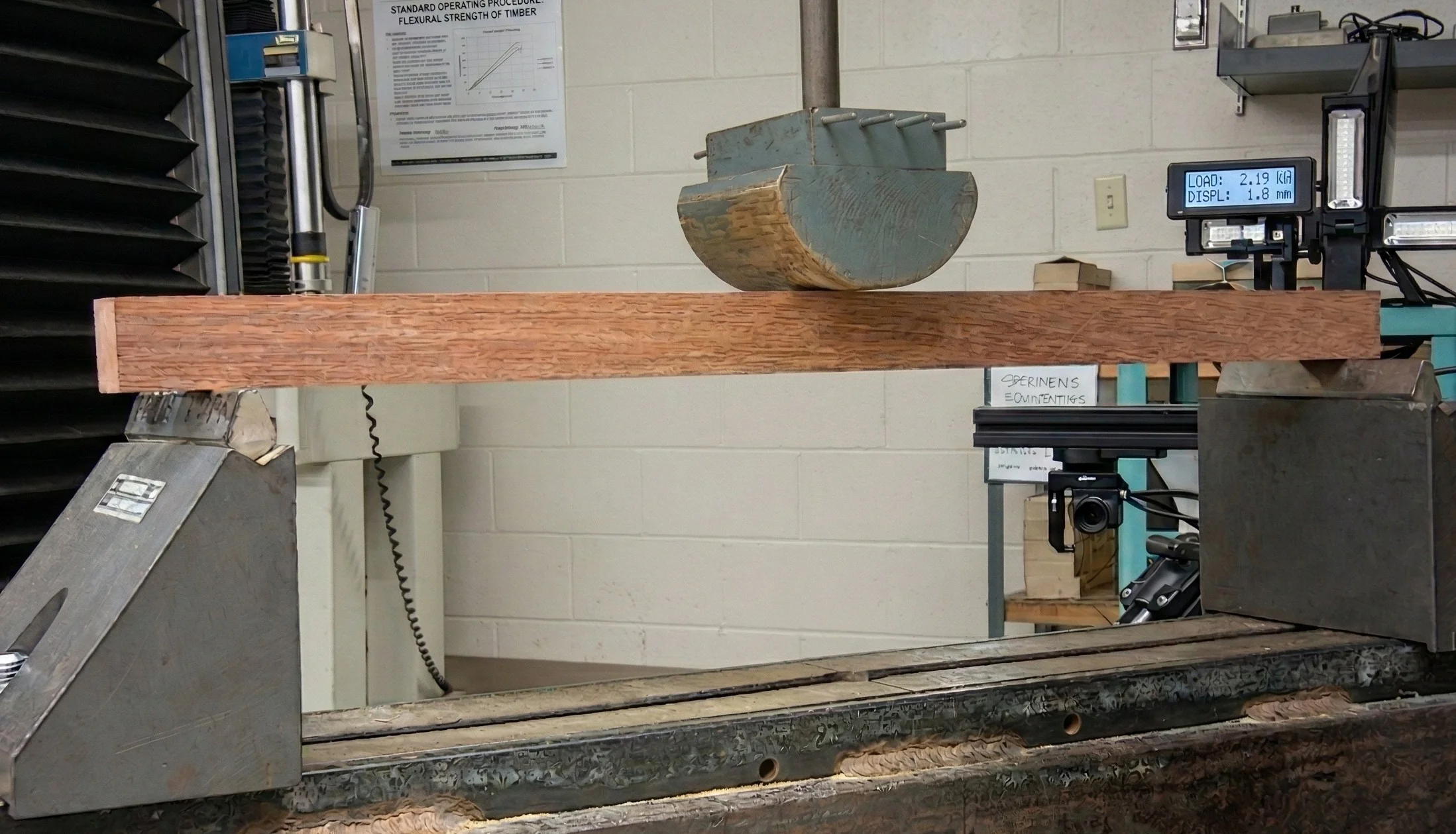
Mechanical Properties of Tropical Hardwoods
Mechanical testing on Ipe, Batu, Torem, and Bangkirai including modulus of rupture and elasticity, janka hardness and density
Micah Sutfin · March 2, 2026
Micah Sutfin · December 31, 2024
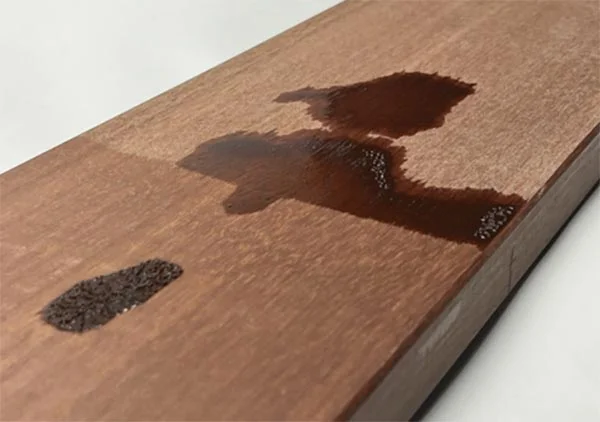
When it comes to finishing high-density hardwood decks such as Ipe, Torem, Cumaru and Batu application can be a highly arduous task. This is not only because these species have a relatively high density but also because they have smaller vessels than those found in other commercially available hardwoods. While the task of finish application can be difficult, there are solutions for increasing the penetration performance of finishes like Nova's ExoShield®. Enter water popping, a technique commonly used among hardwood flooring installers that promotes the effective and uniform penetration of a given finish. *Note that the water popping method is not intended for film-forming finishes that create a coating or "film" on the wood surface.
Water popping, also known as grain-popping, involves the application of clean water to an unfinished wooden substrate to open or "pop" high-density wood cells. Wood is inherently hygroscopic, meaning it will readily absorb liquid water. When this occurs, water forces the wood cells to expand. As the water evaporates, the wood's cellular structure will remain open temporarily allowing it to receive finishes more readily.
When applying a penetrating oil finish, like Nova's ExoShield® the product will attempt to absorb into the wood on a cellular level. If the vessels (known as tracheids in softwoods) of a given species are tightly closed the finish will not readily penetrate as desired. This also translates to penetrating oil finishes containing pigments which mitigate UV rays from graying out the wooden surface. Observe the penetration rate of non-water popped vs water popped Torem in the image below – hard to believe it's the same board!
Begin by sanding your deck with 80-100 grit sandpaper with a random orbit or belt sander. A random orbit sander will ultimately be more labor intensive but will yield a more uniform appearance. If you opt for the random orbit approach, we recommend employing a mesh-style sandpaper such as Mirka Abranet™ or Diablo SandNet™. Mesh-style sandpaper will mitigate unwanted swirl marks that can be a huge eyesore. After sanding is complete be sure to wipe, blow or vacuum off the surface of the wood to remove excess dust that can become suspended in the finish.
Now comes the easy part. First, fill a bucket with clean water. Submerge a clean towel/rag in the water and evenly wet the area that the finish will be applied to. Proceed to treat the entire application area in this manner. Alternatively, use a pump-style sprayer filled with clean water. Ensure that the tank is completely pressurized then spray an even mist over the intended surface. Following the misting process, go over the applied area with a soft brushing tool to ensure the deck is saturated.
Whichever process you choose to follow, ensure that you apply water to the entirety of the surface without leaving any pools on or between boards. After you damp the surface allow the water to dry completely. The drying process can take anywhere up to a day given that ambient conditions are optimal. These conditions will be influenced by high relative humidity and cool temperatures which may increase the time required to dry. When the drying process is complete the finish can be applied as instructed.
Now that you have learned about water popping, you are ready to stain your high-density hardwood deck just in time for that spring cookout! Have a question? Leave it below or email us at sales@novausawood.com!

Mechanical testing on Ipe, Batu, Torem, and Bangkirai including modulus of rupture and elasticity, janka hardness and density
Micah Sutfin · March 2, 2026
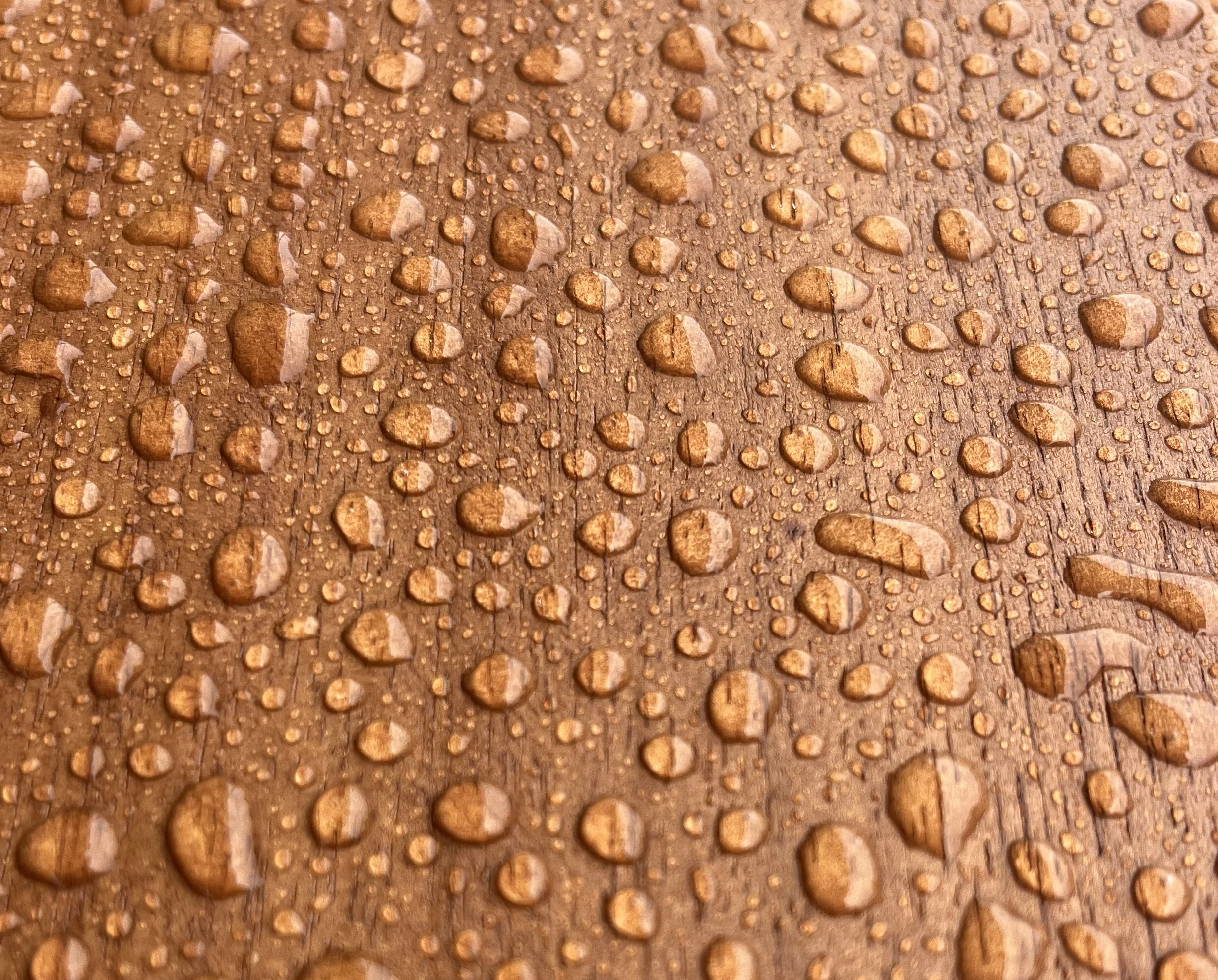
This articles discusses moisture management in trailer floors and how to protect them from failure. NovaSeal is Nova's new water-based industrial floor sealer.
Micah Sutfin · October 24, 2025
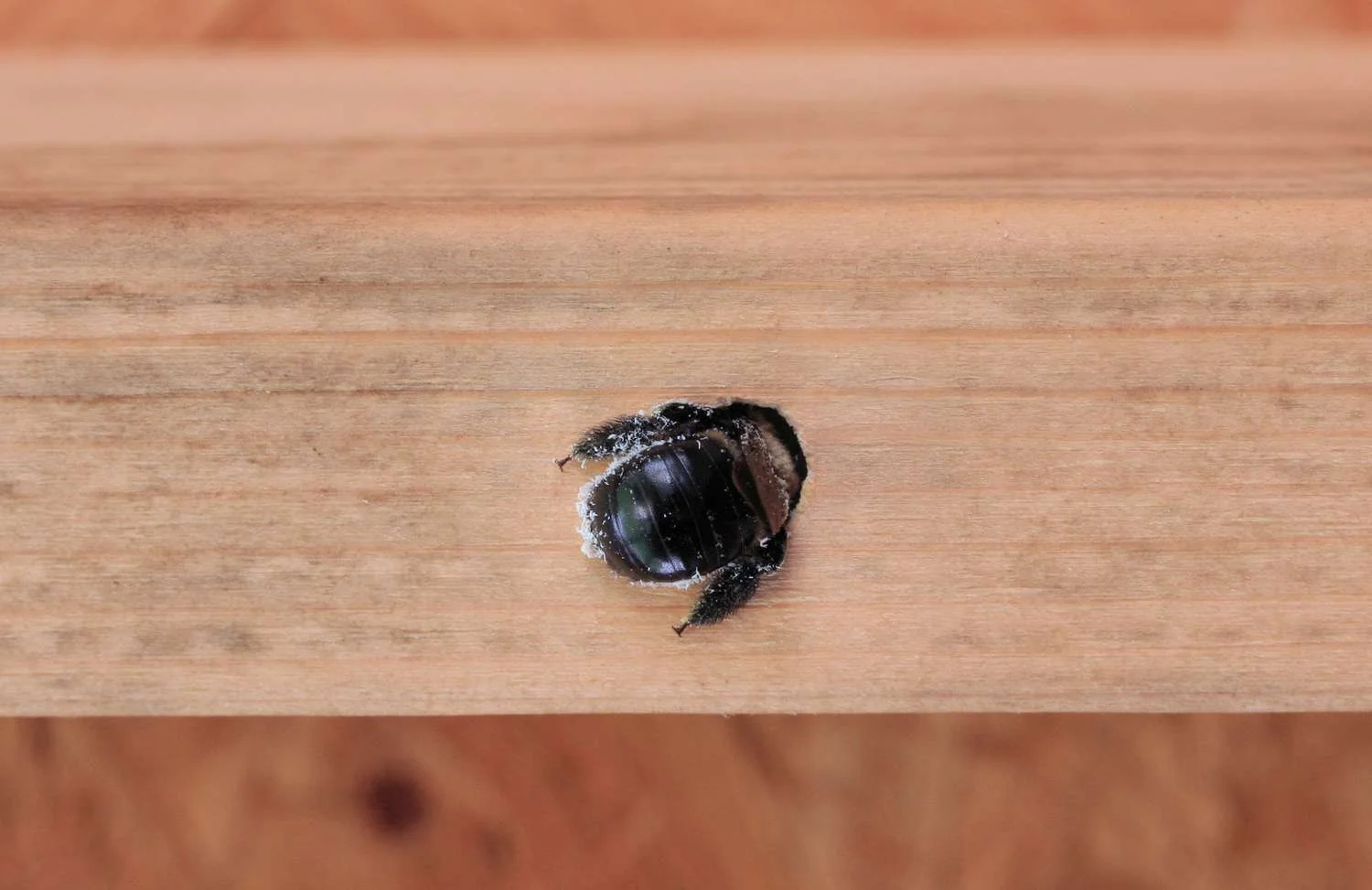
This article discusses the durability of thermally modified wood including methods of treating termite damage, wood peckers, and carpenter bees.
Micah Sutfin · August 27, 2025
“Great article! Should I do this for pine too?”
By John Siems on December 31, 2024
“Will Water popping work for a western red cedar deck? And for an annual refresh of Exo shield on a cedar deck?”
By Matt on January 18, 2025
“Hey Matt, it will technically work but is not necessary as WRC is relatively soft as is. Water-popping is better utilized on high density species.”
By Micah on February 6, 2025